Snæfellsnes Peninsula: A Loki Travel Guide to Iceland’s Wild West
The Snæfellsnes peninsula is sometimes called Iceland in miniature, and the nickname earns its keep. In the span of a single morning you can move […]

Set on a wide, flat grassy peninsula and ringed by fjords, Narsaq is one of the most beautifully placed towns in South Greenland. Its name […]
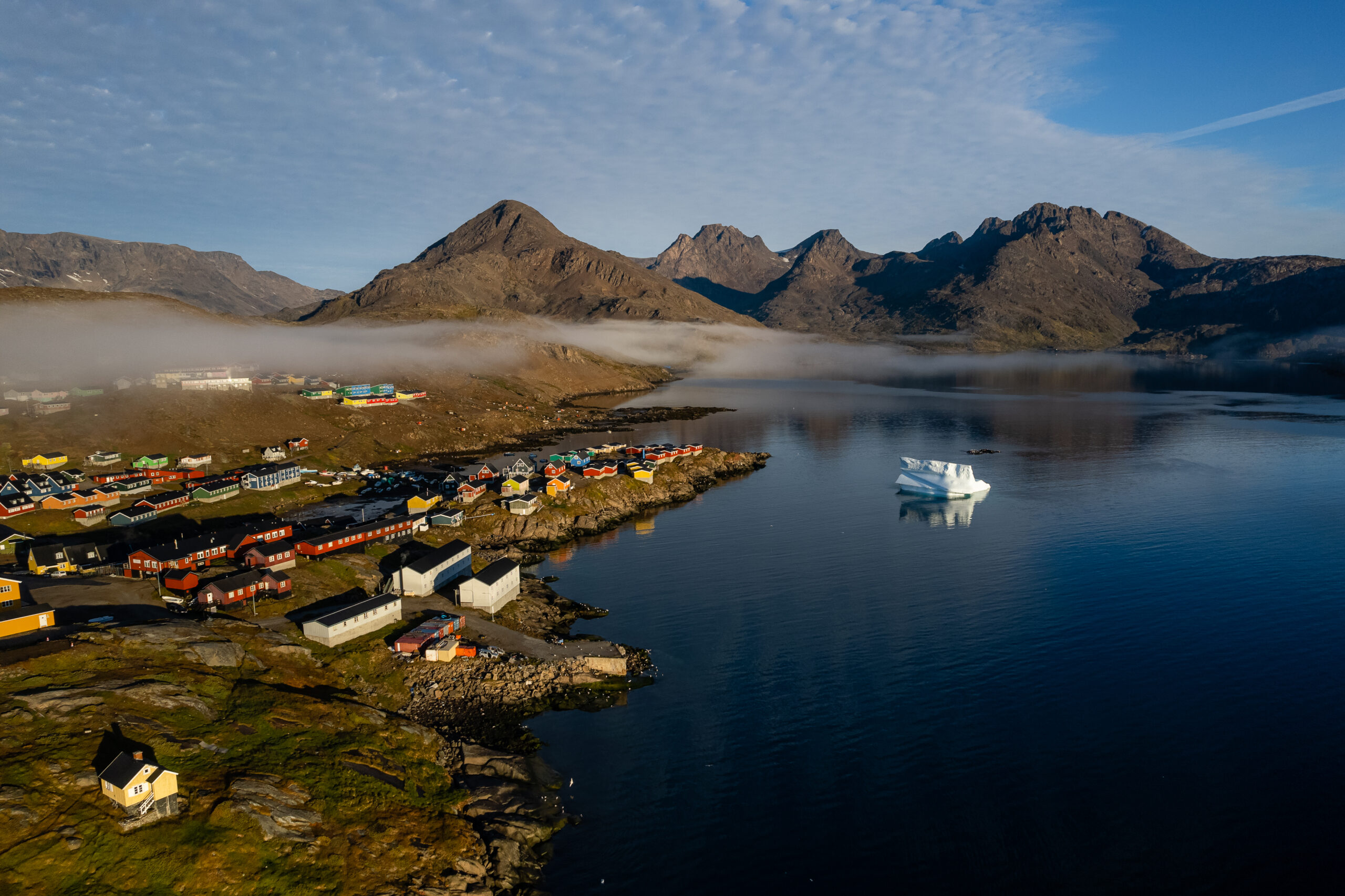
Set on a wide, flat grassy peninsula and ringed by fjords, Narsaq is one of the most beautifully placed towns in South Greenland. Its name means “the plain” in Greenlandic, and the setting lives up to it, with green fields rolling out beneath the 685-meter Qaqqarsuaq mountain that rises behind the town. The strait to the west is often filled with drifting icebergs calved from glaciers to the north, and the surrounding fjords teem with seals, salmon, and whales. With a population of around 1,300, Narsaq is a small, walkable town with a mild climate for this far north, kept gentle by the Gulf Stream.
Narsaq is a place where worlds meet. Here you can find snow, ice, sea, and whales sitting right alongside green plains and potato fields. It is the heart of sheep farming in Greenland, a center for food and cooking, and a gateway to some of the country’s richest Norse history. It is also home to mountains that hide some of the rarest minerals on Earth, and to Greenland’s own brewery, where you can end a day of exploring with a cold, locally brewed beer made from ancient iceberg water. For travelers who like to chart their own course, Narsaq’s backcountry is full of quiet discoveries.
This guide gives you a full picture of Narsaq, covering its history, main sights, the local brewery, outdoor adventures, places to stay and eat, and the best time to visit.
People have lived in the Narsaq area on and off for thousands of years. By the time the Norse arrived and settled from around the year 985, the region had been empty for several hundred years. The Norse built a thriving farming culture across these fjords, and Narsaq sits at the heart of their old Eastern Settlement. This wider area holds some of the most striking Norse ruins in Greenland, including Erik the Red’s Brattahlid at nearby Qassiarsuk and the old bishop’s seat at Igaliku. Narsaq itself is thought to be where Erik the Red first landed before moving on to Brattahlid. The Norse lived and prospered here for nearly 500 years before vanishing in the 1400s for reasons still unknown, after which the Inuit settled into the resource-rich land.
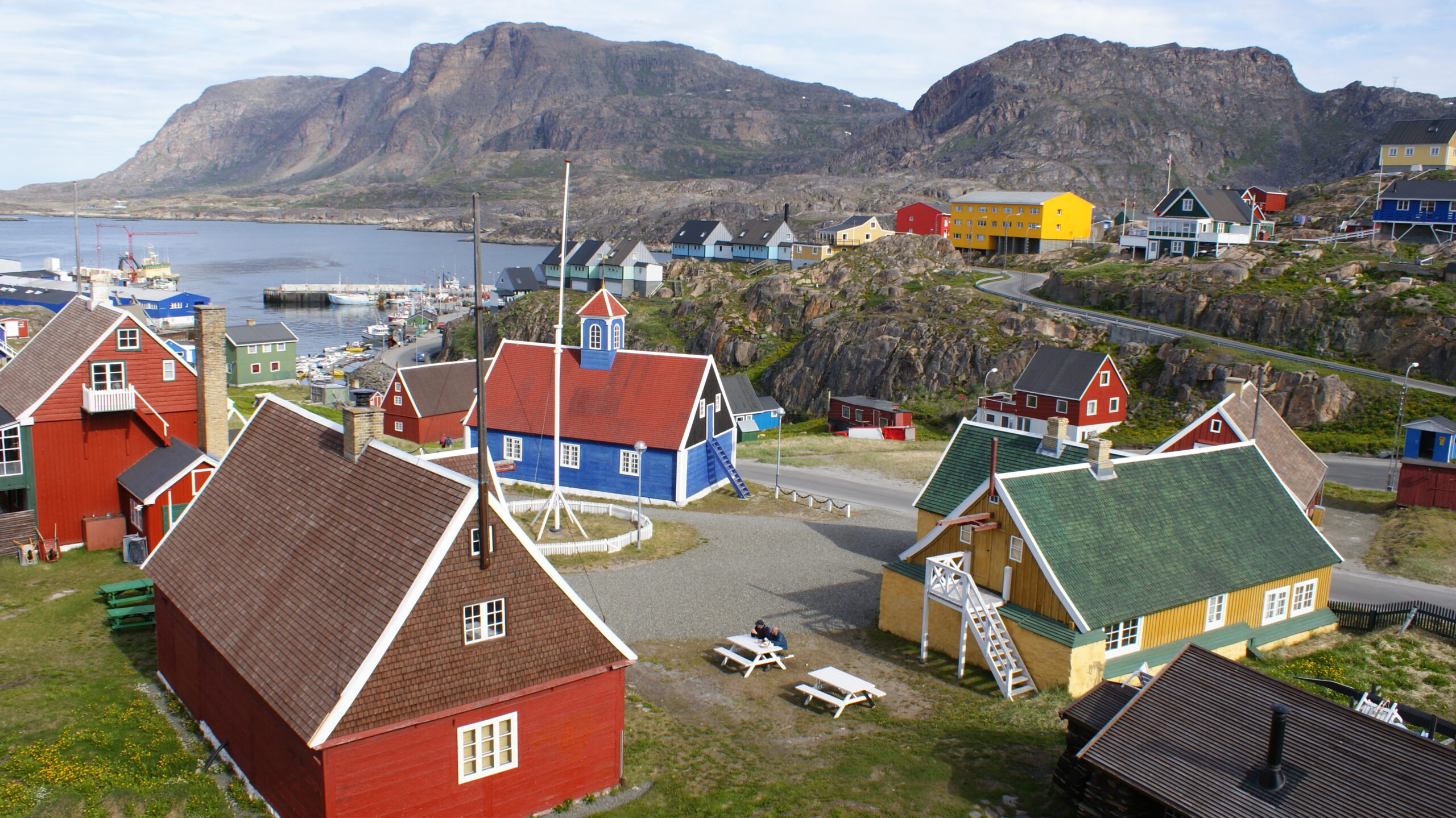
The present-day town began in 1830, when the Royal Greenland Trading Department set up a remote trading post named Nordprøven under the colony of Julianehåb, today’s Qaqortoq. The Greenlandic name Narsaq soon took over. For most of the 1800s, seal hunting was the mainstay, with locals trading blubber and sealskin for goods like coffee, sugar, and bread. As seal hunting declined around 1900, the economy gradually shifted to fishing, and sheep farming took root from the late 1920s.
The town grew quickly after 1953, when a prawn and fishing factory opened, and Narsaq was granted town status in 1959. The population peaked at over 1,800 in the early 1990s, but it has declined since, especially after the fishing factory closed and after administrative jobs moved to Qaqortoq when the southern municipalities merged in 2009. Today Narsaq is the youngest town in South Greenland and one of its most quietly beautiful.
Narsaq is one of the best places in Greenland to step into the world of the Norse settlers. The Landnám homestead, one of the oldest Norse ruins in the area and dated to around the year 1000, sits near the center of town, its footprint still clearly visible. It was here, in 1953, that archaeologists found the Narsaq stick, the first Viking-era runic inscription ever discovered in Greenland. A short hike from town brings you to the church ruins at Dyrnæs, though you will need a little imagination to picture the buildings from what remains.
Housed in some of the town’s oldest buildings, the Narsaq Museum is the perfect place to start. One of its permanent displays tells the story of the Norse settlement of South Greenland, covering their migrations, tools, and clothing. The museum also covers more recent local history and hosts traveling exhibitions through the year. For those drawn to the area’s famous minerals, the museum has a permanent exhibition on the local rocks and gemstones, a good place to learn what to look for before heading into the hills.
The mountains around Narsaq are a paradise for geologists and rock collectors. The most famous is Kvanefjeld, also called Kuannersuit, about eight kilometers northeast of town, known for its remarkable range of minerals. The area is the only place in the world to find tugtupite, a rare red gemstone that glows under UV light and is considered Greenland’s national stone. Greenland holds around 500 of the world’s roughly 3,500 known minerals, and many of them turn up right here.
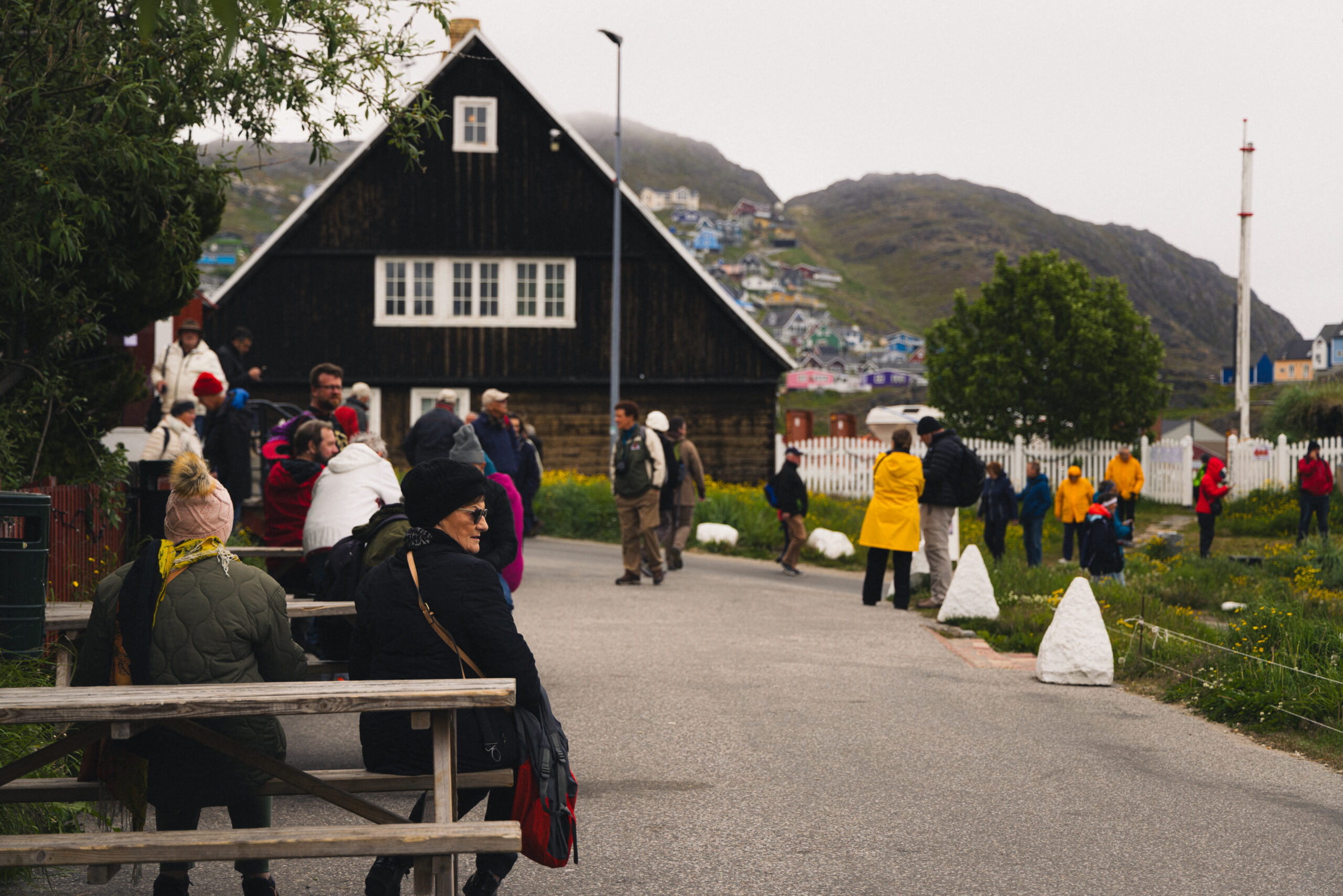
Designed by a local carpenter in 1927 and later refurbished and expanded, Narsaq’s church is a charming part of the town’s older fabric and a pleasant stop on a stroll through the streets.
No visit to Narsaq is complete without a stop at its brewery, which holds a special place in Greenland’s story. Greenland’s first brewery, the Greenland Brewhouse, was established here, and it has since been taken over by Qajaq Beer. Today the small Greenlandic brewhouse turns out lagers, ales, and bock beers under the guidance of brewmasters from America and Germany, and Qajaq beer can now be found across the whole country.
What makes the beer special is the water. Qajaq draws on some of the purest drinking water on Earth, melted from the Greenlandic ice cap and from ancient icebergs, water that is thousands of years old and free of pollution, chemicals, and microplastics. The brewery sees its beer as a small symbol of self-reliance for a country that leans heavily on imported goods, and a way of making something genuinely local from genuinely local ingredients.
While you can find Qajaq beer throughout Greenland, there is something to be said for drinking it at the source. The brewery offers tours, so you can see how it all comes together and taste the results just steps from where they were made. It is the ideal way to round off a day out in the fjords or hills around town.
Narsaq does not have a huge number of organized tours, which is part of its charm. Its backcountry is wide open and made for travelers who enjoy finding their own way and seeing what they can discover.
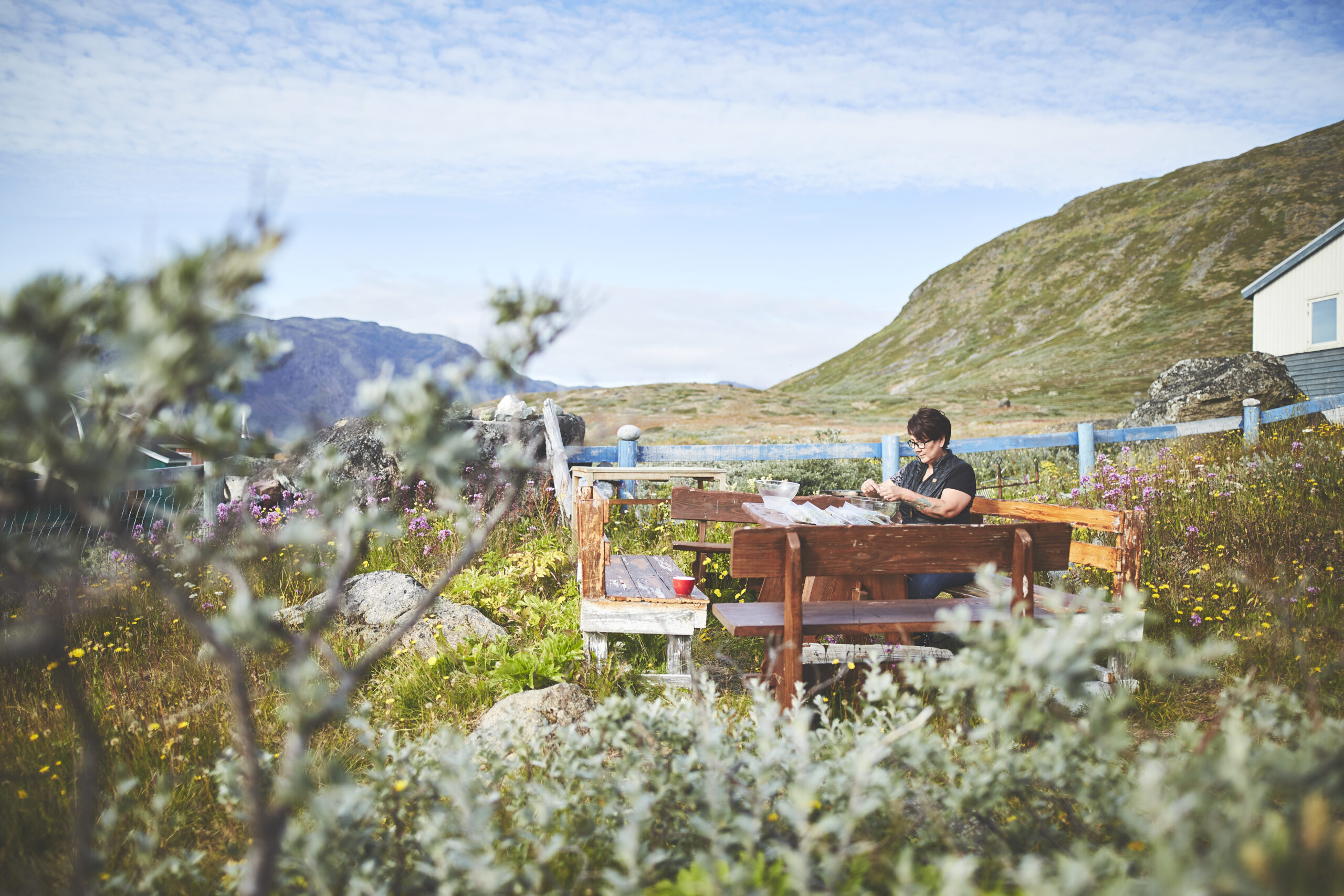
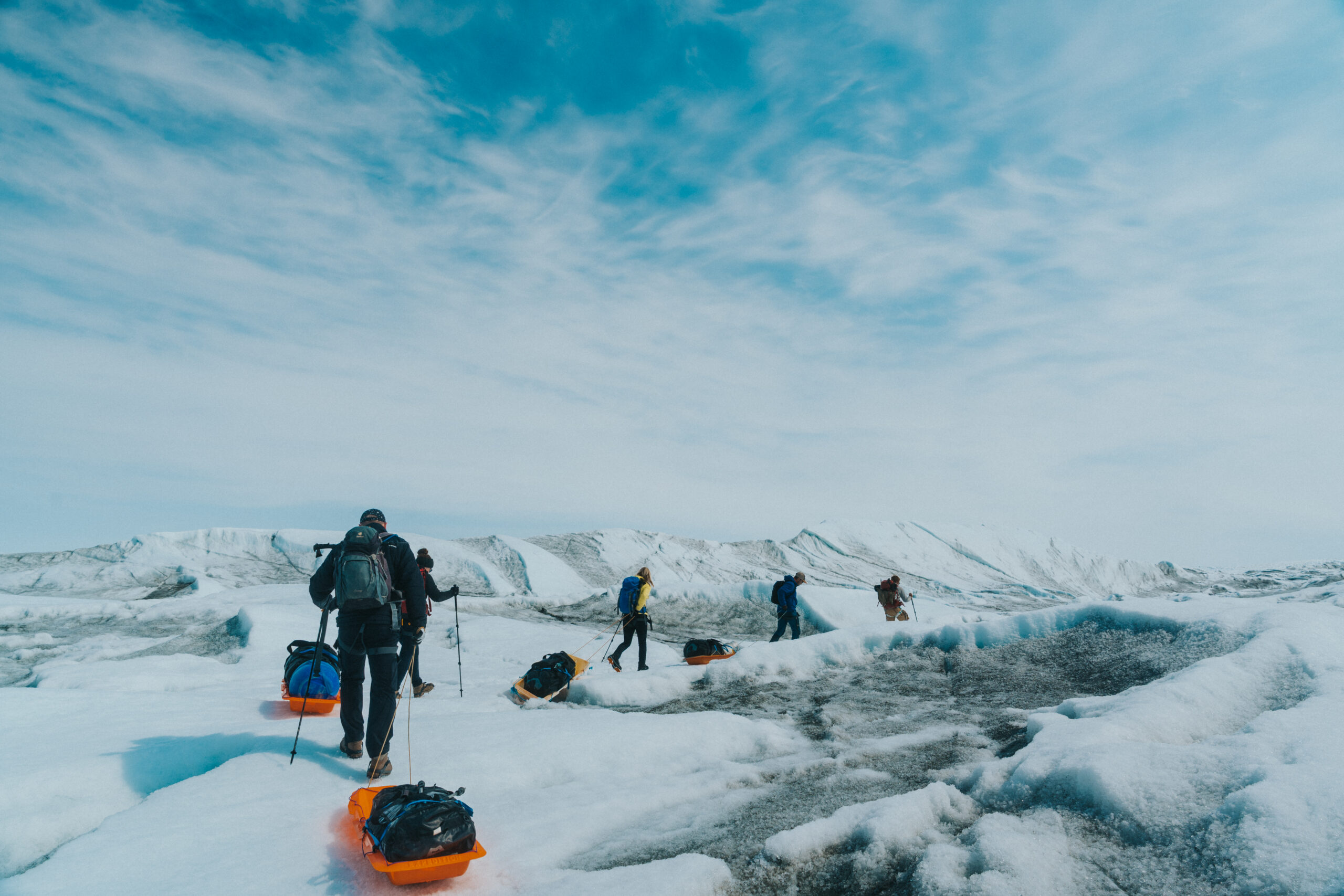
The mountainous land around Narsaq is full of unbeatable views, hidden lakes, and clear rivers. The two most popular hikes climb the mountains that rise directly behind town, Tasiigaaq and Qaqqarsuaq, while another favorite leads out to Narsaq Point, with open views up the Tunulliarfik Fjord toward Narsarsuaq. For serious walkers, a 60-kilometer trek to Qassiarsuk passes through a UNESCO World Heritage landscape of sheep farms, green river valleys, raw mountains, and ice-filled fjords. Many of the sheep farms along the way offer overnight accommodation, so you can walk from farm to farm and live a little of the farmer’s life.
The rivers and fjords around Narsaq are rich with fish, including Arctic char, salmon, and trout. Buy a fishing license before you set out. If you visit in May, you can join the local exodus to one particular river, where the whole point is to catch the first Arctic char of the season.
Sailing trips take you out among the ice. A short iceberg safari brings you up close to bergs calved from nearby glaciers, while a half-day trip can carry you all the way to the glaciers themselves, passing bird cliffs and a scenic waterfall along the way. The waters here are full of marine life, so keep a sharp eye out for whales, seals, and salmon as you go.
For something different, head into the hills to search for the rare stones the area is famous for. With a little homework at the museum first, you can go looking for minerals like the glowing red tugtupite, a treasure hunt unlike any other.
Narsaq has a handful of welcoming places to stay, including Hotel Narsaq in town, along with the Narsaq Kayak Hostel and the Leif Eriksson Hostel. Out in the surrounding farmland, several sheep farms open their doors to guests, which is a wonderful option for hikers wanting to experience rural Greenlandic life. As with the rest of South Greenland, it is wise to book ahead, since capacity is limited.
Fittingly for a town that is the center of food and cooking in South Greenland, Narsaq eats well. It is home to INUILI, the country’s only food college, which trains many of Greenland’s finest chefs, and to Neqi A/S, the only slaughterhouse in the country, supplied by the surrounding sheep farms. To shop for yourself, the town has two supermarkets, and the local market, or Kalaaliaraq, is well worth a visit. Here, thanks to the mild southern climate, you will find bags of angelica, potatoes, and turnips sitting beside fresh cod, seal, and char, a sign of just how green this corner of Greenland really is.
Thanks to the warming effect of the Gulf Stream, Narsaq enjoys a mild climate for its latitude, with cool summers and long, cold winters. Summer temperatures sit comfortably around the high teens and can climb past 20 degrees Celsius, and the surrounding plains turn green and lush.
The best time to visit is from June through October, when hiking, fishing, and sailing are all at their peak and the landscape is at its greenest. During winter, most organized excursions in South Greenland wind down, though it is still possible to enjoy the pristine snow if you bring your own gear, and dog sled routes become important links to the surrounding area.
Getting to Narsaq takes a little effort, which is part of what keeps it special. There is no airport in town, so most visitors first reach the airport at Qaqortoq, then continue to Narsaq by boat or helicopter. Travelers can also arrive on the Sarfaq Ittuk passenger ferry, which calls in during the summer season. However you come, Narsaq rewards the journey with a rare blend of green plains, drifting ice, deep history, and a cold local beer waiting at the end of the day.