Snæfellsnes Peninsula: A Loki Travel Guide to Iceland’s Wild West
The Snæfellsnes peninsula is sometimes called Iceland in miniature, and the nickname earns its keep. In the span of a single morning you can move […]

Sitting on Ammassalik Island in one of the most remote corners of the world, Tasiilaq is the largest town on Greenland’s east coast. It rests […]
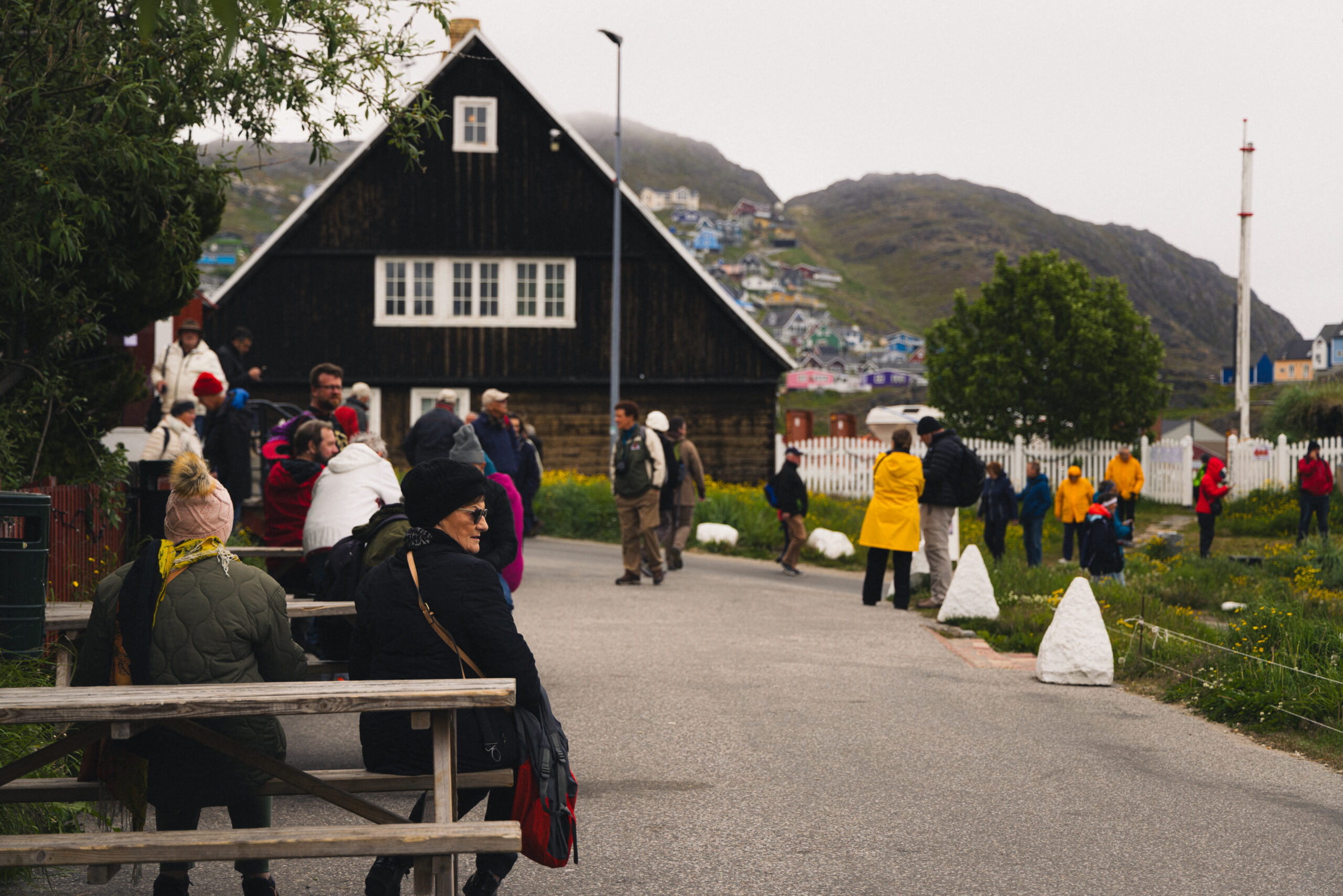
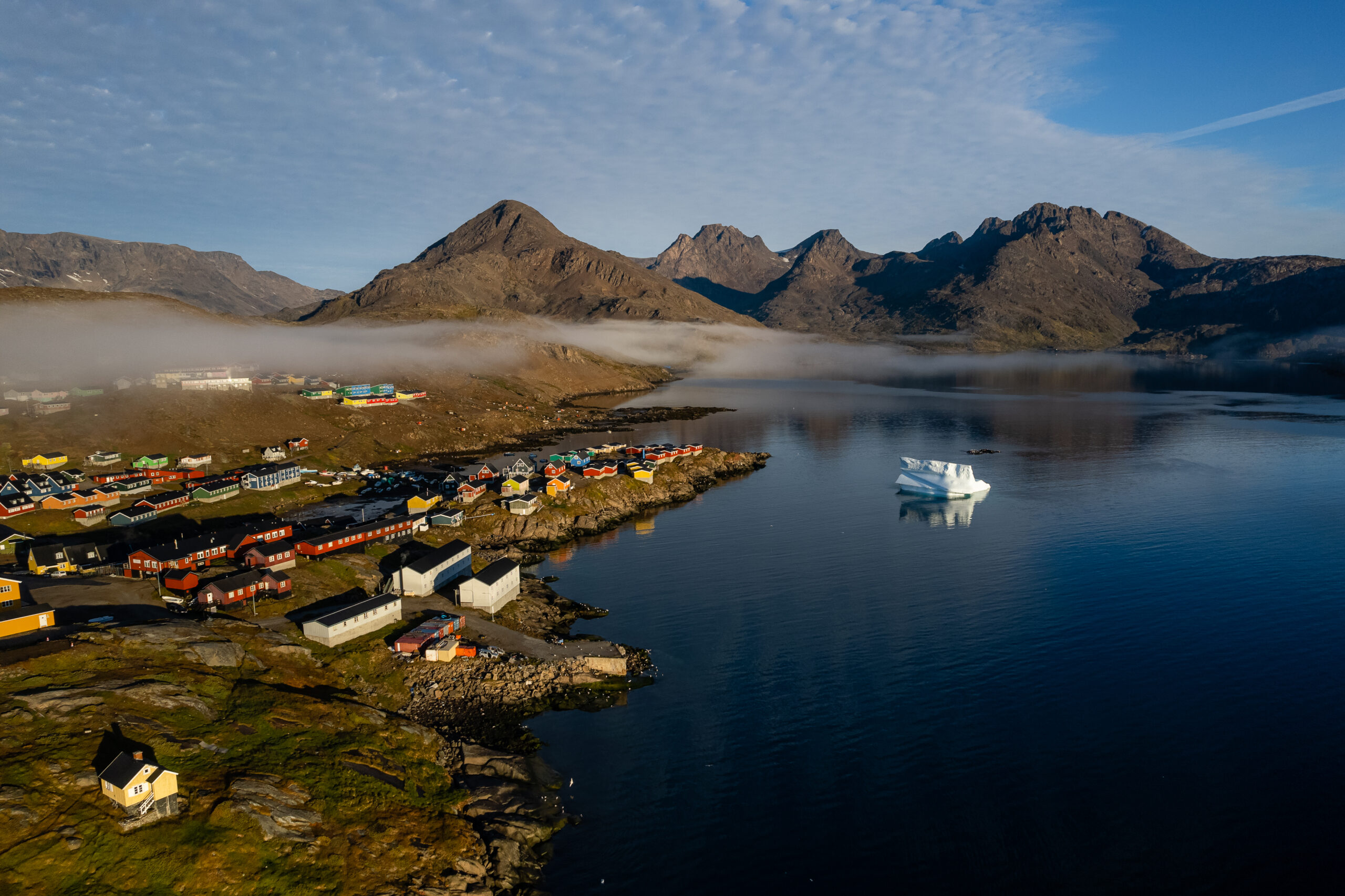
Sitting on Ammassalik Island in one of the most remote corners of the world, Tasiilaq is the largest town on Greenland’s east coast. It rests on the shore of King Oscar Harbour, about 100 kilometers south of the Arctic Circle, and is home to roughly 1,800 people. A small river runs through the middle of town, and tall mountains rise on every side, giving Tasiilaq a setting that feels both sheltered and wild. With colorful houses spread across hilly streets, busy little shops, and the open Arctic just beyond, it is a place where modern life and old traditions live side by side.
For travelers, Tasiilaq is the gateway to East Greenland. It is a comfortable base with real facilities, yet within minutes you can be out among glaciers, fjords, and trail-free wilderness. People come here to hike untouched valleys, sail past icebergs, ride dog sleds across frozen ground, and watch the Northern Lights dance over the mountains. Whatever you choose, a trip to Tasiilaq leaves a lasting mark.
This guide gives you a full picture of Tasiilaq, covering its history, main sights, outdoor adventures, places to stay, and the best time to visit.
People have lived along Greenland’s coasts for thousands of years. The Saqqaq people were the first to reach the east, arriving from the north, and they were later followed by the Dorset culture. The Norse knew this coast too, since it was the first land they saw when sailing from Iceland to Greenland. Thule migrations passed through the area in the fifteenth century but found the southeastern coast empty.
Because many groups moved back to the busier west coast, the southeast sat unsettled for about two hundred years. The region was only settled again in the late eighteenth century, with the village near today’s Tasiilaq becoming the one lasting community in the area through the nineteenth century. The local name comes from Ammassat, the small capelin fish that gathered in the waters here, which is why the area was long known as Ammassalik.
Europe’s first real contact with the area came in 1884 and 1885, when the Danish naval captain Gustav Holm led an expedition along the coast. At the time, around 400 people lived in the village, and life was hard, with shortages of food and frequent illness. In 1894 the Danes founded a permanent settlement here as a trading station, and the town slowly grew.
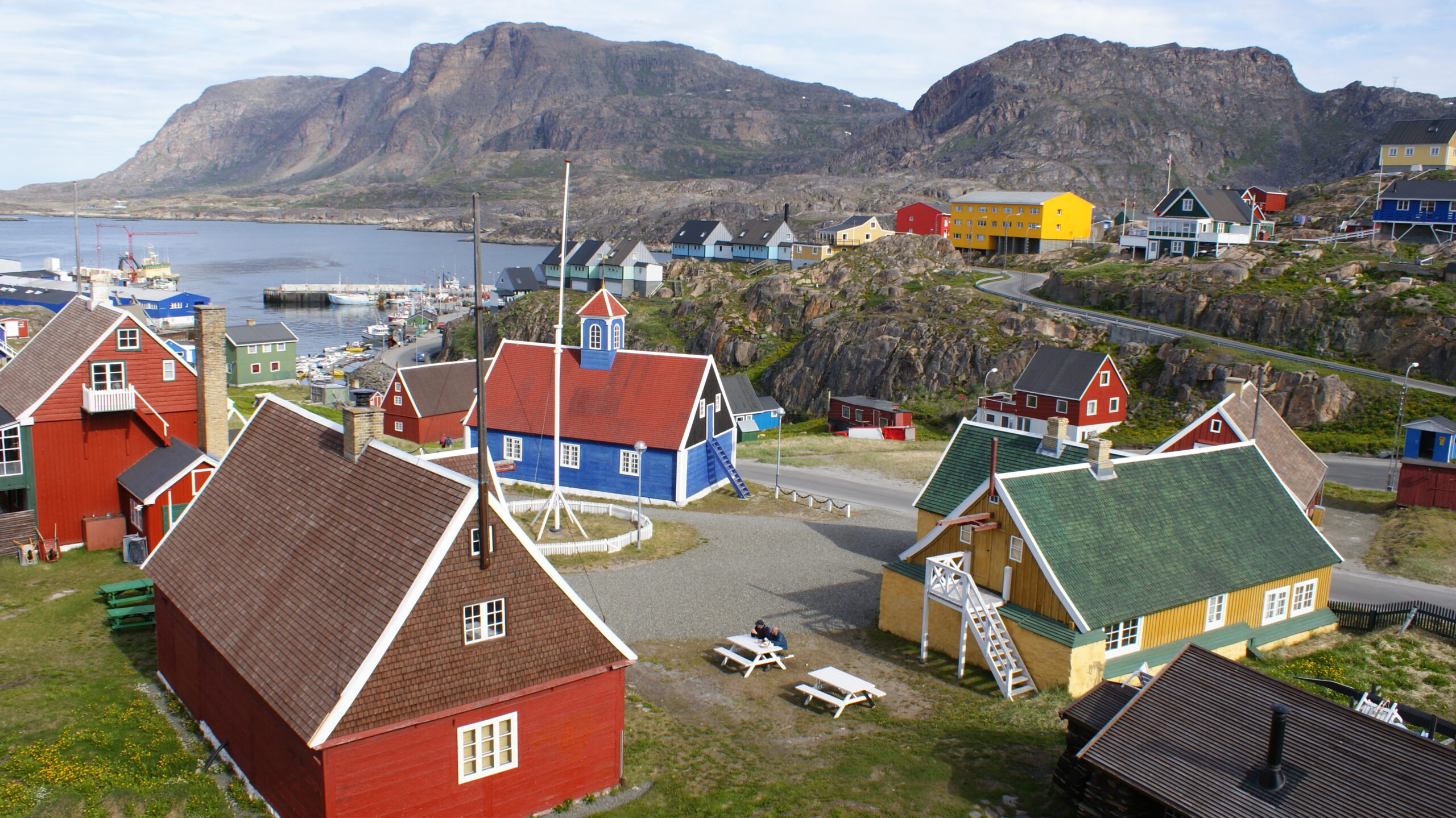
The first church was built in 1908 by the crew of a Danish ship that had run aground nearby. They used timber from their own wrecked vessel, and a model of the ship still hangs from the ceiling today. That building now houses the town museum.
For a long time, life in Tasiilaq was built around hunting. After World War II and into the 1960s, the town shifted toward cod fishing for both food and income. The official name was changed from Ammassalik to Tasiilaq in 1997, a word that points to the calm seawater here that looks much like a lake.
Today Tasiilaq is one of the fastest-growing towns in Greenland. It is the main place where the East Greenlandic dialect is spoken, and it remains deeply tied to its Inuit roots. Hunting and dog sledding are still part of daily life, and it is one of the few places in Greenland where you can still see traditional Inuit drum dances performed.
Set inside the town’s old church, the Ammassalik Museum is the best place to understand the area’s past. Inside you will find handmade tools that helped people survive the harsh Arctic, exhibits on local history, and a traditional peat house on the grounds. The museum also has a charming gift selection, including carved Tupilaks, beaded jewelry, books, and postcards. A nearby photo museum hosts changing art and photography shows.
Tasiilaq’s church is one of its most striking buildings. Built in the late 1980s, it stands out with its five-sided shape, stone front, and a pointed dome at the center. The inside is simple but beautiful, with decorations that reflect the culture and natural beauty of the region.
Stunk is the local artisan workshop, and it is well worth a visit. Here you can watch some of Greenland’s finest carvers shaping their next piece, and you may be able to buy a carving straight from the maker. The door is open to visitors whenever the sign is out. For more handmade goods, Qeerpi is a sealskin sewing workshop run by local women, where warm gloves, purses, and decorative items are all made by hand with great care.
Just outside town, past the cemetery, lies the Flower Valley. Hemmed in by steep peaks, this sheltered spot bursts with color during the short Arctic summer, when bright wildflowers cover the ground. It is an easy and rewarding walk, and if you are lucky you may even find a small sauna tucked into the wilderness.
The harbour is the heart of daily life in Tasiilaq, with fishing boats, the main pier, and a pontoon set aside for visitors. Next to the supermarket you will find Brættet, the local food market, where residents sell freshly caught fish and other local foods whenever the catch comes in. It is a great place to see real local life up close.
Tasiilaq is built for the outdoors, with adventures on offer in every season. The mountains, glaciers, and fjords around town create endless options for both gentle days out and serious expeditions.
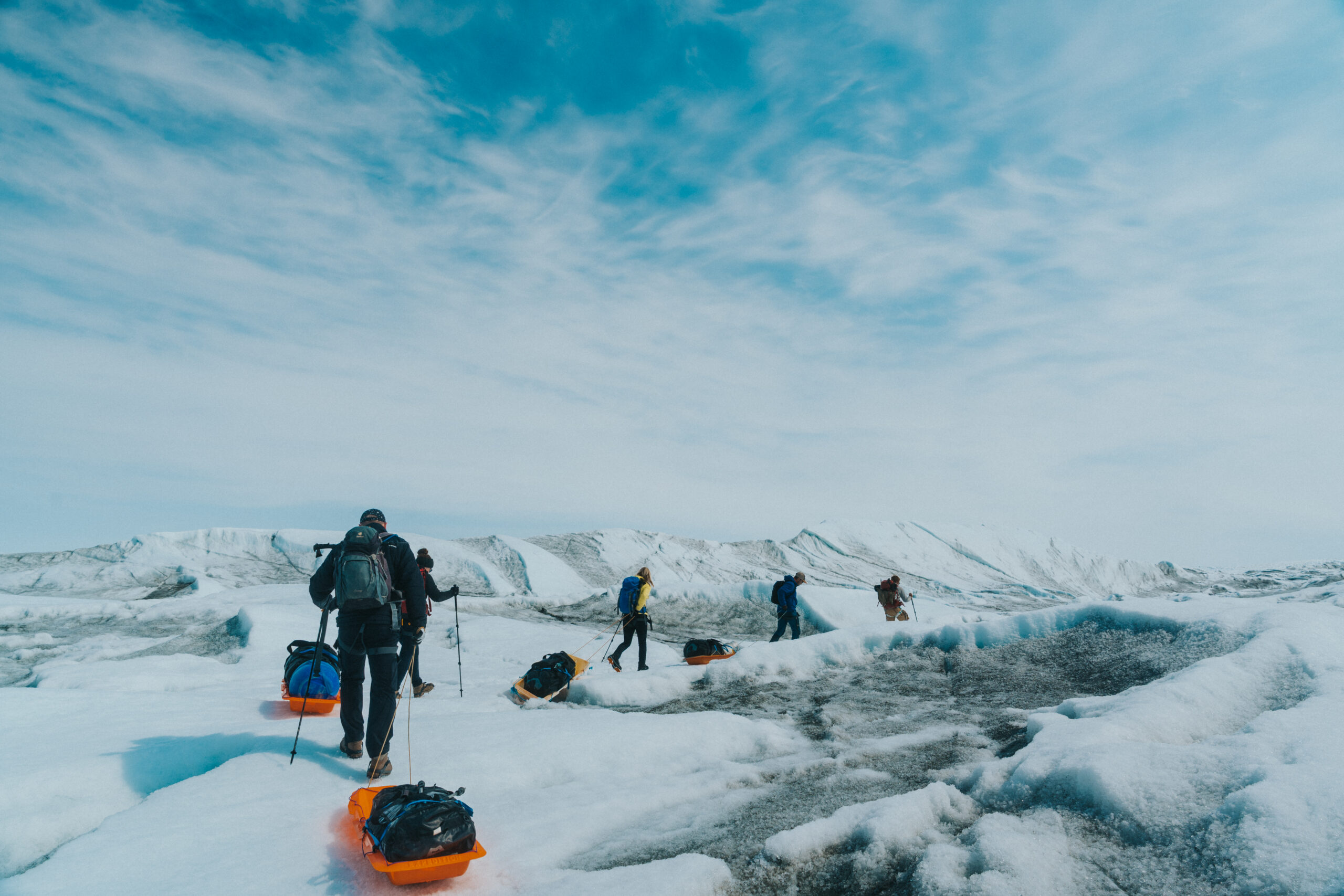
The long summer days draw hikers of every level. You can take a short walk around town, climb to the stone cairns on the surrounding hills for big views, or set out on a glacier hike with a guide. For the more adventurous, supported and unsupported multi-day treks lead deep into the remote valleys of East Greenland. Because there is a small chance of meeting a polar bear, it is wise to hire a local guide for any hike that goes far from town.
Dog sledding is one of the oldest forms of Arctic travel and remains a real way of life here. Joining a musher and the pack is one of the finest ways to feel the raw beauty of the Tasiilaq area in winter. You can take a short ride of a couple of hours, head out to a good ice fishing spot, or join a longer trip across frozen fjords, lakes, and glaciers to reach other settlements.
In the warmer months, boat tours head up the Ammassalik Fjord toward glaciers, the busy Sermilik Icefjord, small settlements, and even an abandoned WWII airbase. These trips offer wonderful iceberg viewing and good chances to spot whales. For the best whale watching, you can join a dedicated tour that takes you to where the fishermen last saw them.
The kayak was born in these waters, so there is no better place to paddle. With expert guides who know how to read ice and Arctic seas, you can explore the coastline the way the Inuit did, on trips lasting a single day or several. Stand-up paddleboarding offers a modern twist on the same idea.
When the snow settles in, Tasiilaq becomes a magnet for ski touring and heliskiing fans from around the world. Countless untouched peaks offer first runs down into quiet, snow-filled valleys, with views that are hard to match anywhere else.
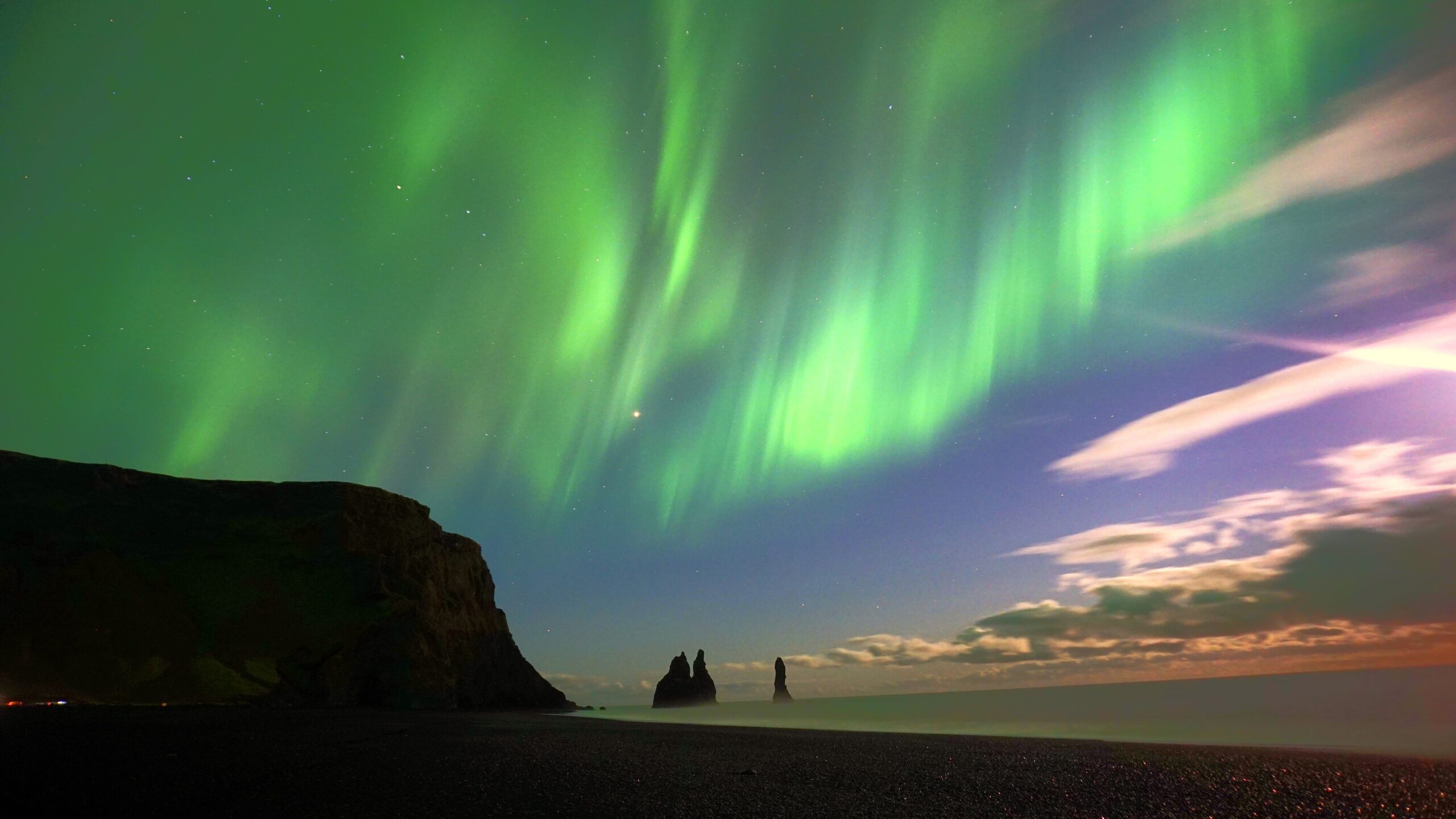
On clear winter nights, the Northern Lights often glow right over town, and you can sometimes watch them from the center of Tasiilaq. For the best show, head a little way out of town with a guide and let the dark Arctic sky do the rest.
Tasiilaq has a good range of places to rest, from hotels to cozy guesthouses and wilderness lodges. Here are a few options to consider.
This is the main hotel in town and a comfortable base for exploring. It sits up on the hillside with sweeping views over the town and fjord, and offers an easy, relaxed stay close to the main sights.
A well-known spot for travelers and adventurers, The Red House offers rooms along with help arranging tours, boat trips, and other activities. It is a friendly choice for those who want their stay and their adventures handled in one place.
Smaller guesthouses such as the Blue Guesthouse give you a more personal, homely stay and a real taste of local life. They are a great pick for solo travelers and small groups who want a quiet, welcoming base.
For something more remote, lodges like the Discovery Mountain Lodge put you closer to nature. These are ideal if you want to wake up surrounded by the landscape and step straight into the outdoors.
Tasiilaq is small, but you will not go hungry. Cafe Neriusaaq serves up burgers, fries, hot wings, a daily dish, coffee, and ice cream, with both indoor and outdoor seating. For something quick, the local food truck offers pizza, burgers, hot dogs, and more. For self-catering, the two Pilersuisoq supermarkets stock food and supplies, and Brættet by the harbour sells fresh local catch when it is in.
A small note on local life: because Tasiilaq is so remote, large supply ships only arrive about eight times a year, between June and November. The first ship of the season is welcomed with a three-cannon salute, and the last is sent off with fireworks. Fresh fruit and vegetables are the first things unloaded, followed closely by the candy.
Tasiilaq is a year-round destination, and the best time to go depends on what you want to do.
Summer, from June through September, brings long days and mild weather. This is the season for hiking, kayaking, paddleboarding, sailing, boat trips, and whale watching, all under the soft light of the Arctic summer.
Winter, from February through April, is the time for snow. Dog sledding, snowmobiling, ice fishing, skiing, snowshoeing, and Northern Lights hunting all come into their own once the landscape freezes over.
A few experiences, such as photo tours, iceberg diving, and a mobile wellness sauna, are on offer all year. Whenever you come, getting to Tasiilaq means flying into nearby Kulusuk and then taking a short helicopter ride or, in summer, a boat across the fjord. It is a small extra journey, and it is part of what makes arriving in this remote Arctic town feel so special.