Snæfellsnes Peninsula: A Loki Travel Guide to Iceland’s Wild West
The Snæfellsnes peninsula is sometimes called Iceland in miniature, and the nickname earns its keep. In the span of a single morning you can move […]

Tucked away in the North Atlantic between Iceland and Norway, the Faroe Islands are a rugged collection of 18 volcanic islands, connected by a network […]
Tucked away in the North Atlantic between Iceland and Norway, the Faroe Islands are a rugged collection of 18 volcanic islands, connected by a network of bridges, tunnels, and ferries. What was once a relatively unknown destination has blossomed into a dream location for travelers who crave untouched nature, breathtaking views, and authentic local culture. With a population of just over 50,000 people, the Faroes remain delightfully uncrowded, which makes exploring them feel like stepping into a world forgotten by time.
While some travelers prefer to wander freely, the islands are best experienced through curated tours, led by locals who understand the unique rhythm of life here, where weather dictates the day, sheep often outnumber humans, and the sea is as much a part of daily life as the land.
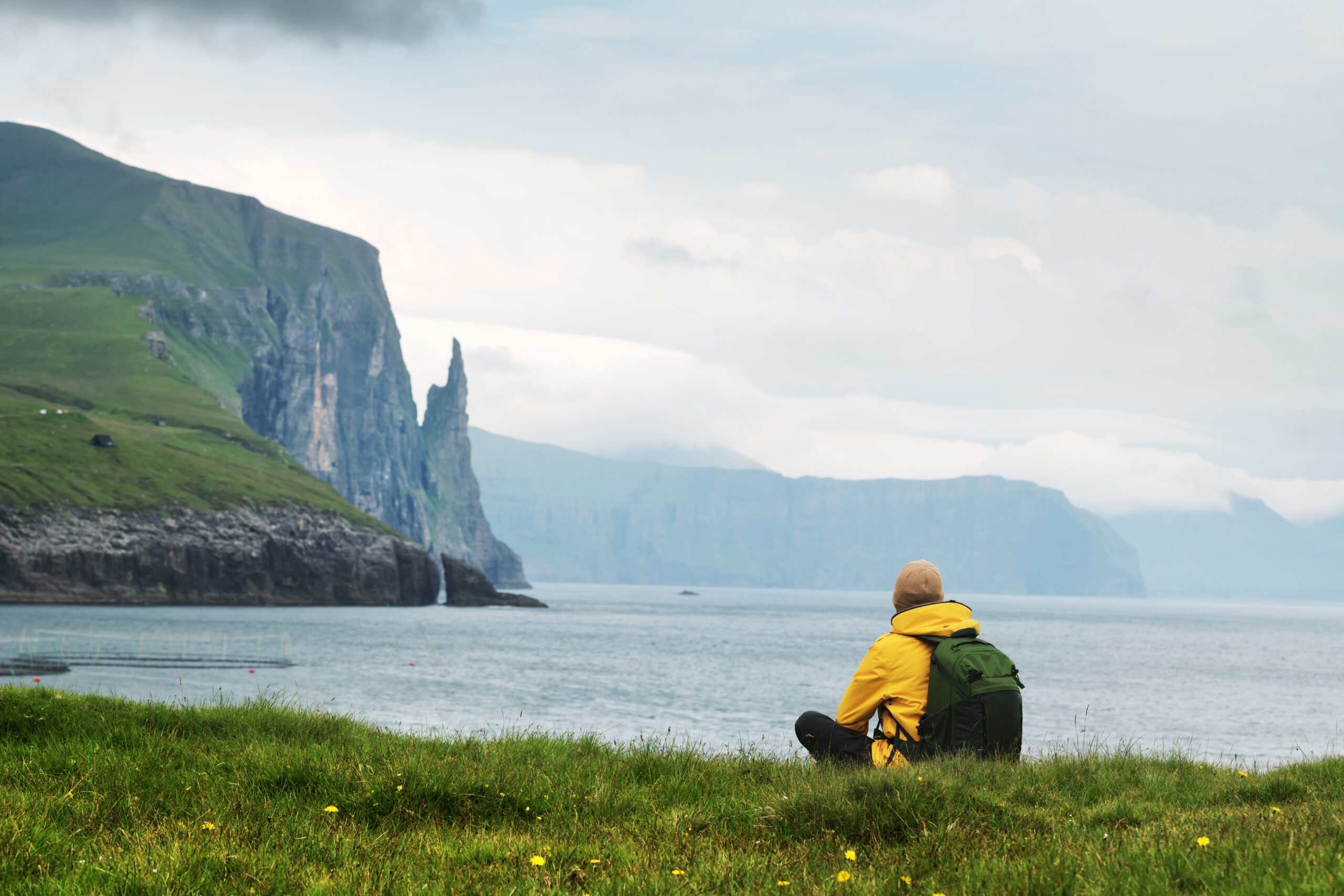
Few views in the Faroes rival the drama and serenity at the Kallur Lighthouse. Located on the island of Kalsoy, this white beacon sits atop a cliff, facing a vast expanse of sea and jagged coastline. Getting there involves a ferry ride to Kalsoy, a scenic drive through a series of one-lane tunnels carved into the mountain, and a hike through sheep-dotted hills that culminates in one of the most stunning vistas in Europe.
The tour to Kallur Lighthouse is popular for the view and the journey itself. In summer, the path is green and soft underfoot; in spring, the air is filled with bird calls and blooming wildflowers. Even in autumn, when the wind picks up and the landscape glows with russet tones, the hike remains manageable, though weatherproof gear becomes essential.
Vágar, one of the most accessible islands, is home to some of the Faroe Islands’ surreal natural sights. The famous Lake Sørvágsvatn, which appears to hover above the ocean due to a visual illusion, is a favorite stop for photographers and hikers alike. The trail leading to the viewpoint is moderately easy, and a good guide can enrich the experience with local stories, like the tale of Trælanípa, or “Slave Cliff,” where legend says unruly enslaved people were once pushed to their deaths.
Just beyond this dramatic viewpoint lies Bøsdalafossur, a powerful waterfall that tumbles from the lake directly into the Atlantic Ocean. Standing at the cliff’s edge, watching fresh water meet the salt sea, is humbling. Tours here often end in the nearby village of Gásadalur, home to one of the most picturesque waterfalls in the Faroes. The waterfall flows directly from the cliffs into the ocean beneath a backdrop of turf-roofed houses.
Suðuroy is often overlooked in favor of its more connected neighbors, but those who make the trip are richly rewarded. Accessible by a two-hour ferry from Tórshavn, Suðuroy offers a sense of isolation and untouched beauty that is rare in modern Europe. Like Beinisvørð and Eggjarnar, the cliffs here plunge dramatically into the sea, while small villages such as Hvalba and Tvøroyri tell stories of a deeply rooted maritime culture.
Joining a local guide for a day tour around Suðuroy provides access to spots not found in guidebooks. From abandoned stone houses and hidden sea inlets to long-forgotten coal mines, this place tells the tale of survival in a landscape shaped by the Atlantic’s relentless moods. Autumn is perhaps the best time to visit, when golden light bathes the cliffs and the sheep begin their slow descent from the highlands.
Nestled on the northeastern tip of Eysturoy, Gjógv is a traditional village. Its name means “gorge” in Faroese, and that’s precisely what makes it so special. A deep natural sea gorge cuts through the village, acting as a natural harbor and offering striking views of the North Atlantic. The place is quaint, with just a handful of houses, a historic church, and one of the most charming guesthouses in the country.
Tours to Gjógv often include leisurely walks through the village and the surrounding hills. The air here feels fresher, the silence more complete. In spring and summer, the area is alive with birds nesting in the cliffs. In winter, snow may dust the village rooftops, making the gorge look like something from a Nordic fairy tale.
No exploration of the Faroe Islands is complete without a visit to Kirkjubøur. This tiny hamlet, located just south of Tórshavn, is the historical and spiritual heart of the islands. Home to Magnus Cathedral, the ruins of a grand 13th-century church that was never completed, and the Roykstovan farmhouse, which the same family has inhabited for 17 generations, Kirkjubøur offers a living link to the Viking past.
Tours here are as much about atmosphere as they are about history. A walk through the village, with views across to the island of Sandoy, invites contemplation. The fields are lined with ancient stone walls, and the salty wind carries whispers from a thousand years of Faroese life.
One of the Faroe Islands’ most thrilling excursions involves a boat ride through the sea cliffs near Vestmanna. These cliffs rise vertically out of the ocean, often hidden by mist, and are home to thousands of seabirds, including puffins, guillemots, and fulmars. The narrow inlets and caves carved by centuries of waves create a dramatic backdrop best seen from the water.
The boat captains are often lifelong residents of the area, and their storytelling adds an unforgettable layer to the experience. Summer is ideal for this tour, when bird activity is at its peak and the seas are calmest.
Enniberg, located on the island of Viðoy, is one of the highest sea cliffs in Europe and among the most remote locations in the Faroes. The trek to the top is challenging and should not be attempted without a guide, but the payoff is immense. Standing 754 meters above the sea, with only seabirds for company and the wind howling like an ancient song, you feel as if you’ve reached the world’s edge.
This tour is best suited for seasoned hikers because of the difficulty of access and the dangers involved. Summer is the only time when conditions are favorable for reaching the summit.
Understanding the Faroese seasons is crucial to planning a trip. From April to June, spring brings milder weather, blooming wildflowers, and nesting seabirds. It’s a wonderful time for hiking and birdwatching. Summer, particularly July and August, sees the islands at their most accessible, with long daylight hours and a lively calendar of cultural events and music festivals. Autumn offers a golden light and a quieter, more contemplative experience from September through early November. Winter is the most challenging time to visit due to short days and frequent storms, but it can be an unforgettable time for those seeking solitude and dramatic coastal scenes.
Although the Faroe Islands are compact, getting around them efficiently requires planning. Car rental is the most flexible option, especially for reaching remote villages or scenic viewpoints. However, many tours include transportation, allowing you to relax and focus on the experience. The bus and ferry network is surprisingly reliable, though limited on weekends and public holidays. Guided tours are ideal for travelers who want deep insights and safe passage through sometimes unpredictable terrain.
The most significant advantage of taking a tour in the Faroe Islands is the connection it creates between the visitor and the host. Most guides are locals who bring knowledge and passion to their storytelling. They may share folklore passed down through generations, recount the hardships of island life, or invite you to try skerpikjøt—air-dried lamb, a traditional delicacy with an acquired taste.
As tourism grows, the Faroe Islands have remained committed to sustainability and cultural integrity. Choosing locally run tours supports these values and ensures you experience the islands through Faroese eyes, not just as a destination, but as a living, breathing place.
Whether hiking to a windswept lighthouse, standing beneath sea cliffs that dwarf your boat, or sharing a laugh with a local farmer over fresh-caught fish, the Faroe Islands offer tours that transcend sightseeing. They are invitations to connect with nature, history, and a way of life that remains beautifully, proudly different.
If you’re ready to experience Europe’s last great wilderness, there’s no better way to book a tour and let the islands guide you.