Snæfellsnes Peninsula: A Loki Travel Guide to Iceland’s Wild West
The Snæfellsnes peninsula is sometimes called Iceland in miniature, and the nickname earns its keep. In the span of a single morning you can move […]
Set among rolling hills dotted with brightly painted houses, Qaqortoq is the largest town in South Greenland and the fourth largest in the whole country. […]
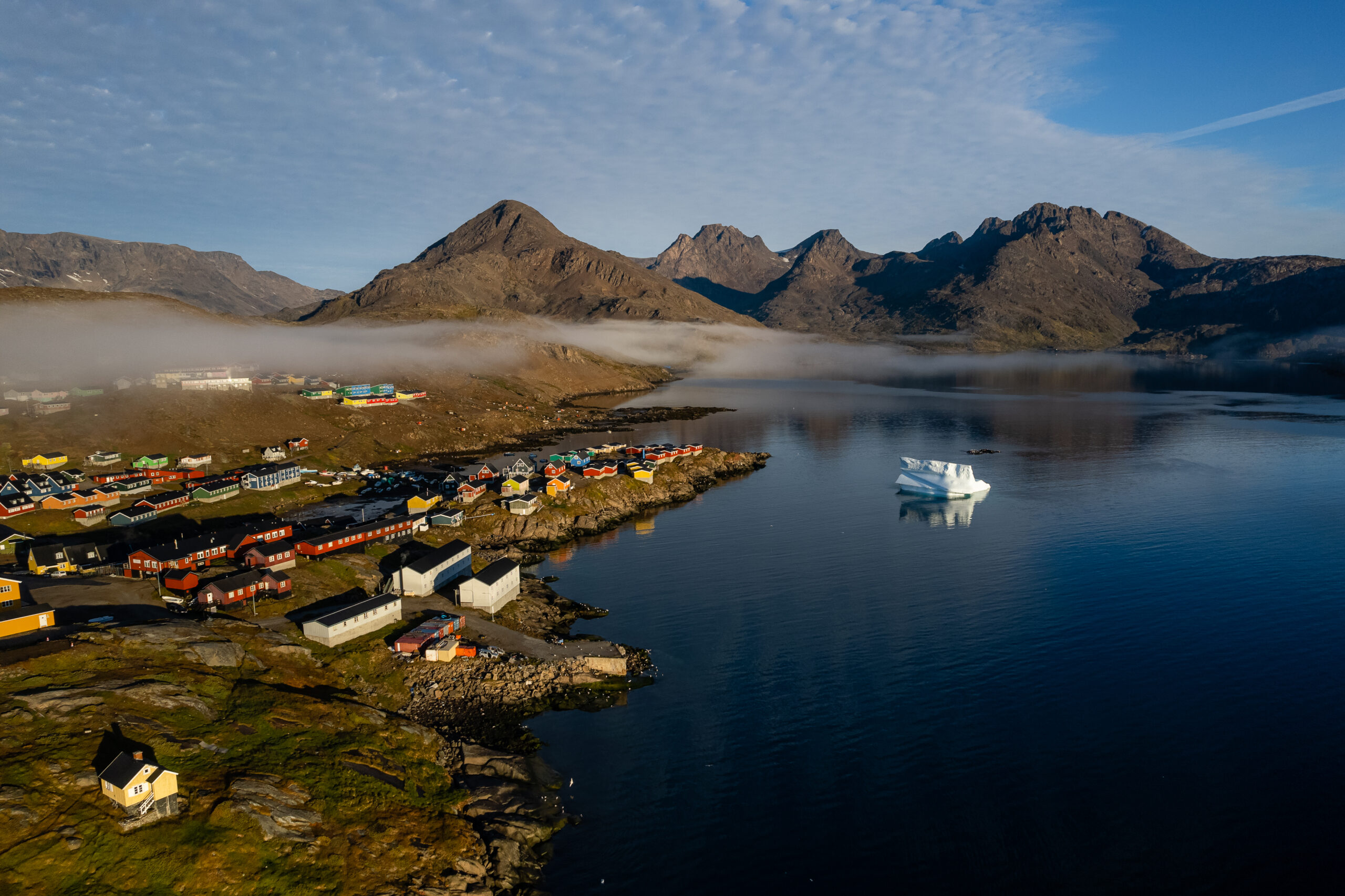
Set among rolling hills dotted with brightly painted houses, Qaqortoq is the largest town in South Greenland and the fourth largest in the whole country. With a population of around 3,000, it sits on a fjord beside the Labrador Sea, with a river running through its center and a lake just outside of town. The name Qaqortoq means “white” in Greenlandic, though in its colonial days it was known by the Danish name Julianehåb, after a Danish queen. Your first sight of the town, as a boat slips into the harbor, is the cluster of colorful homes rising up the slopes above the water.
Qaqortoq is a melting pot of art, culture, Norse history, and outdoor adventure. It is famous for the open-air sculptures carved right into the rock around town, for Greenland’s oldest fountain in its tidy main square, and as a gateway to some of the country’s most remarkable sights, including ancient Viking ruins and a natural hot spring. It is also the center of trade and education for the south, with a lively population of young students. For travelers, it offers a rare mix of small-town charm and easy access to the wild beauty of the surrounding fjords.
This guide gives you a full picture of Qaqortoq, covering its history, main sights, outdoor adventures, places to stay and eat, and the best time to visit.
The land around Qaqortoq has been home to people for a very long time. The Saqqaq people arrived roughly 4,300 years ago, followed by the Dorset culture about 2,800 years ago, who left behind rectangular peat dwellings around the wider area. Later the Thule people, the ancestors of today’s Inuit, reached southern Greenland around the 12th century. They lived here at the same time as a very different group of newcomers, the Norse.
Written history in South Greenland begins with the arrival of the Norse in the late 10th century. This region was the heart of what they called the Eastern Settlement. The most famous reminder of their presence is the Hvalsey Church ruin, about an hour’s sail from town, which is the best-preserved Norse site in all of Greenland. The Norse lived here for nearly 500 years, and for a time they were a major supplier of ivory to northern Europe. The last written record of them anywhere is of a wedding held in Hvalsey Church in 1408, after which they vanished from history.
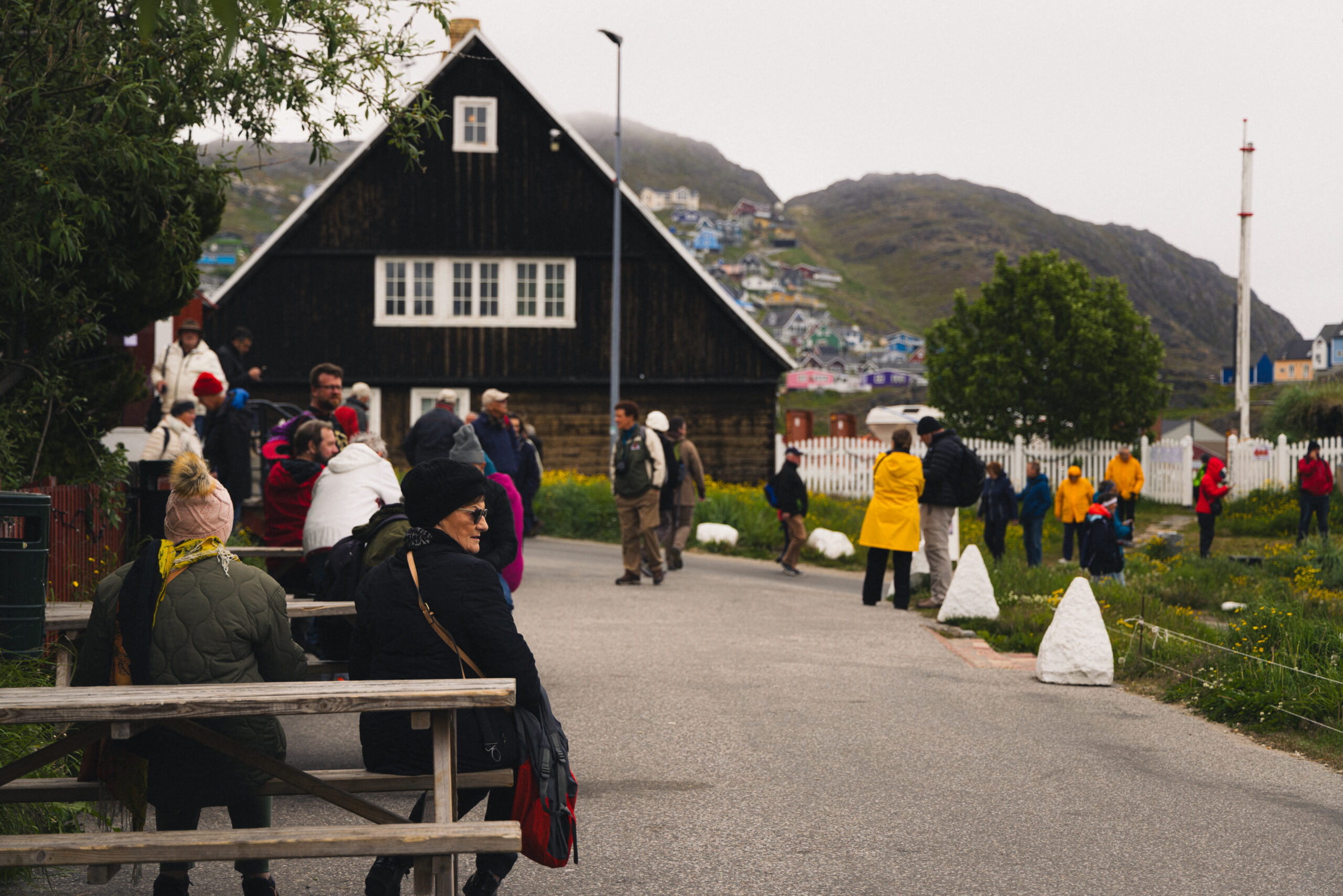
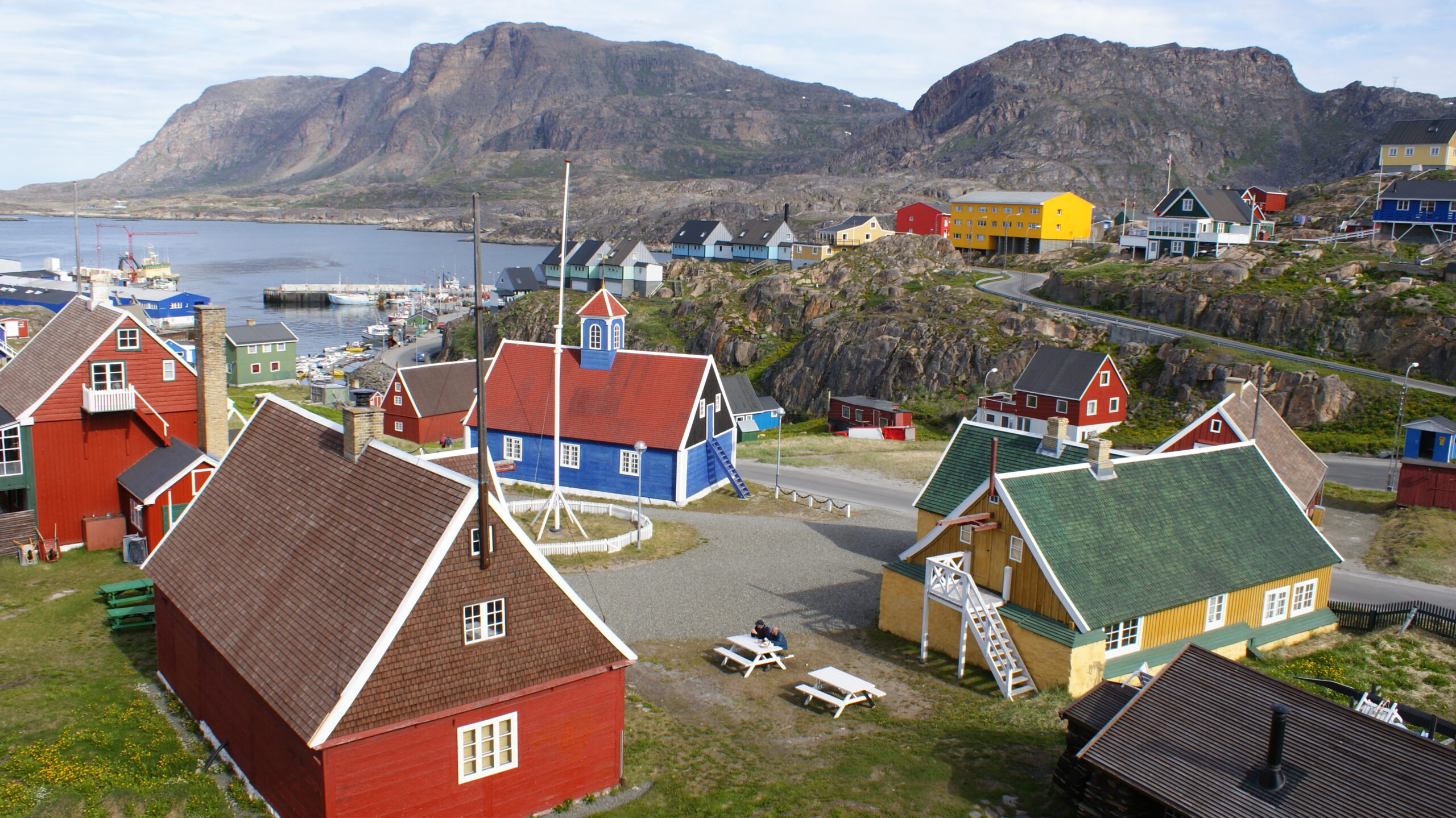
The present-day town was founded in 1775 by a Dano-Norwegian trader named Anders Olsen. It grew into a major center for the seal trade, and that heritage lives on today in Great Greenland, the country’s only sealskin tannery, which still operates here. Some of the oldest buildings in Greenland stand in the colonial harbor, including a black-tarred log building from 1797 that was built in Denmark, shipped over in pieces, and put back together on the spot.
In 2009, when the three municipalities of South Greenland merged into one, Qaqortoq became the administrative center of the new Kujalleq municipality. Today its economy rests on fishing, administration, education, and a growing tourism trade, and the wider region is rich in minerals, with mining a part of its past and likely its future.
Qaqortoq is a town of artists, and its most striking feature is an open-air art gallery scattered across the whole town. In the mid-1990s, the local artist Aka Høegh invited sculptors from across the Nordic countries to carve works directly into the rock faces and boulders of Qaqortoq. The result is a collection of around 40 sculptures hidden around the streets and hillsides. Walking around to find them all is one of the best ways to get to know the town, and locals say spotting every single one is a real challenge.
Qaqortoq is one of the only towns in Greenland with a proper town square, and at its heart stands the country’s oldest fountain, called Mindebrønden. Finished in 1932 and built from local stone, it features bronze whales spouting water from their blowholes. The square is a gathering place, lined with colorful colonial buildings that hold shops, a bakery, and a museum. On a sunny day you will find locals sitting at the picnic benches nearby, eating and enjoying the sunshine.
Housed in the town’s oldest building, a striking black structure beside the square that was once a blacksmith’s shop, the museum tells the story of the area’s past. It holds permanent collections alongside traveling exhibitions, including a celebrated display of tupilaks, carved figures made by master artists whose work is regarded as some of the finest in all of Greenland. There is a Viking exhibit nearby, and up the hill the small TELE Museum covers the history of radio communication and rewards the climb with a fine view over the town and out to sea.
A short sail from Qaqortoq brings you to Hvalsey, the grandest of Greenland’s Norse ruins and now part of a UNESCO World Heritage area. The stone walls of the church still stand, set in green farmland by the water, and it is the very spot where the last recorded event of the Norse, a wedding in 1408, took place. It is a quiet, powerful place to stand and think about the people who lived and then disappeared here centuries ago.
Across the harbor sits Great Greenland, the country’s only sealskin tannery and a major employer in the town. You can visit the showroom on your own to see the finished furs and buy souvenirs, or join a guided tour that takes you behind the scenes to see how the high-quality sealskin is prepared. Over the years, well-known designers have even created fashion collections using the skins produced here.
Qaqortoq is a hub for excursions across South Greenland, and there is plenty to do both in town and out in the surrounding fjords and farmland.
The backcountry around Qaqortoq offers wonderful off-trail walking. Two popular day hikes are the climb up Saqqaarsuk for sweeping views over the town and its fjords, and the loop around Lake Tasersuaq, the local water supply, which is marked with painted arrows along the way. For serious hikers, a five-day trek leads to the old Norse bishop’s residence at the farming settlement of Igaliku, passing hidden ruins and the great Hvalsey Church along the route.
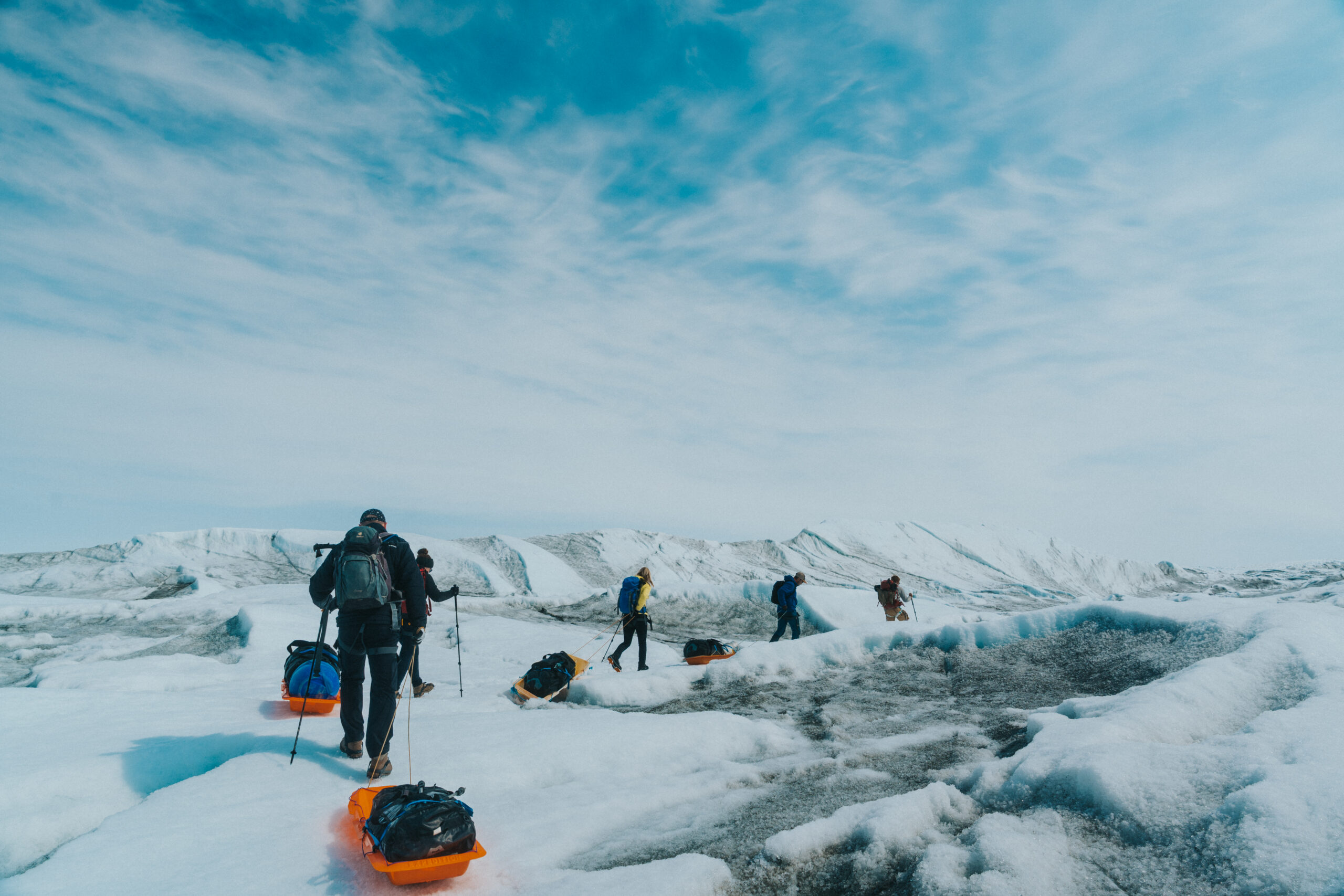
Sailing is the most common way to explore the area. Day trips by boat reach the Norse ruins at Hvalsey, the experimental farm and research station at Upernaviarsuk, the edge of the Greenland ice sheet, and the hot springs at Uunartoq. Gliding past icebergs in the fjord is part of the experience, and these waters are also good for spotting whales.
South of town lies one of Greenland’s true treasures, the Uunartoq hot springs. On this small island, naturally warm water rises from the ground at a comfortable 38 degrees Celsius. There are few finer feelings than soaking in the warm pool while large icebergs drift slowly past in the fjord nearby.
For those short on time or wanting a different view, scenic helicopter tours run from Qaqortoq throughout the year. Flights range from short hops of 20 minutes to longer journeys of several hours, taking in Norse ruins, World War II sites, the ice sheet, and the dramatic Tasermiut Fjord. Every trip offers unforgettable views of the rugged landscape below.
The fjords and clear rivers around Qaqortoq are a delight for anglers. You can buy a fishing license at the tourist information center and head out for Arctic char, salmon, and cod, which are plentiful during July and August.
Qaqortoq has a handful of places to stay, from hotels to simpler hostels. Options in and around town include Hotel Qaqortoq and the Qaqortoq Hostel, along with guesthouses and rooms that can be arranged through the local tourist office. Because the town is the busiest cruise destination in Greenland and rooms are limited, it is wise to book your stay well in advance, especially in the summer high season.
For a small town, Qaqortoq offers a good range of places to eat, with options around the square and harbor that include a bakery and even a Thai restaurant. To cook for yourself, the town has three large supermarkets, and the local fish and meat market by the harbor is the place to buy fresh local catch, which can include fish, seal, and whale brought in by local hunters. Buying ingredients and enjoying a picnic in the town square, just as the locals do, is a lovely way to spend a sunny afternoon.
Qaqortoq sits at the southern tip of Greenland, which gives it milder weather than you might expect this far north, and the surrounding land turns surprisingly green and lush in summer. Thanks to the mild climate, it is even one of the few places in Greenland where small groves of trees can grow.
Summer, from June through September, is the best time to visit. This is when the days are long, the tourist information center is open, and most of the boat trips, hikes, and fishing excursions are running. It is the season for sailing out to the hot springs and the Norse ruins, and for soaking up the lush green landscape of South Greenland’s farming belt.
Winter is much quieter, with fewer services running, though helicopter excursions operate all year. Visitors who come in the colder months should be prepared to be more self-sufficient.
Getting to Qaqortoq has become easier than ever. A new airport opened just north of town in 2026, allowing flights from places like Iceland and Nuuk. Many travelers also arrive by sea, since Qaqortoq is a popular cruise stop and the southernmost port for the passenger ferry that runs up the coast all the way to Ilulissat.