Snæfellsnes Peninsula: A Loki Travel Guide to Iceland’s Wild West
The Snæfellsnes peninsula is sometimes called Iceland in miniature, and the nickname earns its keep. In the span of a single morning you can move […]

Nestled in the North Atlantic between Iceland and Norway, the Faroe Islands remain one of Europe’s most untouched and awe-inspiring travel destinations. Comprising 18 rugged […]
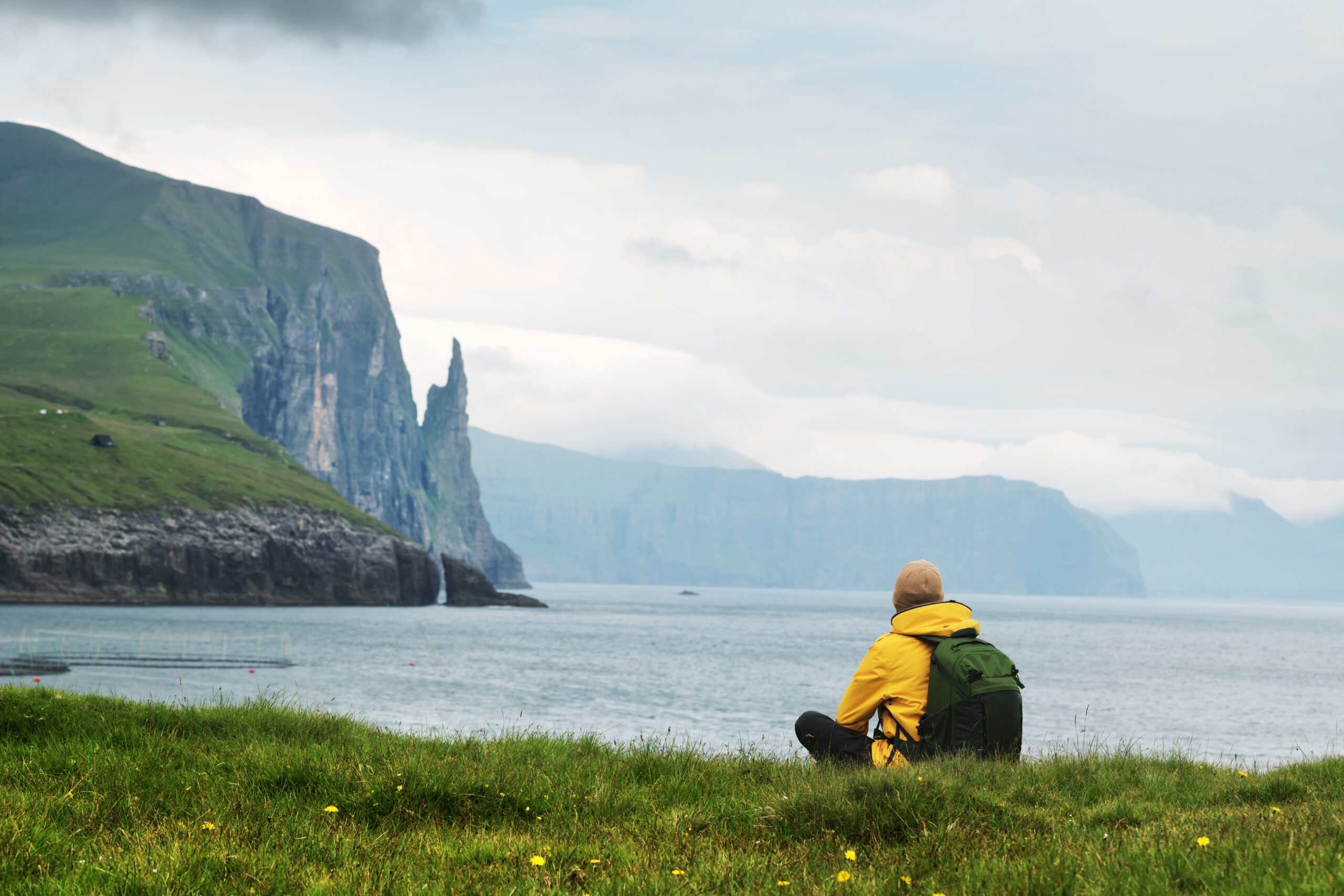
Nestled in the North Atlantic between Iceland and Norway, the Faroe Islands remain one of Europe’s most untouched and awe-inspiring travel destinations. Comprising 18 rugged islands connected by tunnels, ferries, and scenic roads, this remote archipelago is known for its towering cliffs, lush valleys, and dramatic seascapes. From June to August, summer is the best time to experience all the Faroe Islands offer. With nearly 20 hours of daylight, relatively mild temperatures, and easier access to remote villages and islands, this season unveils the islands in their most captivating form.
Whether you’re seeking solitude in nature, thrilling hikes along cliff edges, intimate encounters with puffins, or simply a peaceful break from city life, summer in the Faroe Islands promises an experience unlike any other. In this article, you’ll discover essential travel information, top places to visit, cultural festivals, and handpicked tours that bring you closer to the heart of the Faroes.
The weather in the Faroe Islands is famously unpredictable year-round, but summer offers the most stability and accessibility. Average daytime temperatures hover around 10°C to 15°C (50°F to 59°F), creating ideal conditions for outdoor exploration. The long daylight hours—sometimes up to 20 per day—allow for extended excursions, late-evening hikes, and endless golden-hour photography opportunities. Wildlife flourishes during these months, especially puffins, whales, and seals, and many ferry routes and island tours operate exclusively during summer.
Moreover, the summer months coincide with a surge of local energy as Faroese communities host cultural events, music festivals, and traditional gatherings. The sense of warmth and hospitality you’ll encounter during this season is a compelling reason to visit.
One of the most iconic and breathtaking spots in the Faroe Islands is the village of Gásadalur, home to the majestic Múlafossur Waterfall. Here, a powerful stream of water cascades from a high cliff directly into the ocean below, framed by steep mountains and rolling green meadows. For many, this dramatic setting perfectly captures the wild, untamed beauty of the Faroe Islands. Gásadalur was once one of the most isolated villages in the country, accessible only by foot or helicopter until a tunnel was built in 2004. Today, it remains tranquil and picturesque—a must-see for any traveler.
The village of Saksun is tucked deep within a fjord and surrounded by towering mountains, giving it a secluded and magical atmosphere. A tidal lagoon winds through the valley, offering a scenic and serene walk, especially at low tide when you can reach the sandy shore. The historic Saksun Church, dating back to 1858, overlooks the lagoon and enhances the village’s charm. Photographers and nature lovers find Saksun irresistible for its peaceful setting and dramatic landscape contrasts.
Accessible only by ferry or helicopter during the summer months, Mykines is a haven for bird enthusiasts and adventurers. The island is best known for its puffin colonies, which nest in burrows along the cliffs from May to August. A popular hiking trail leads from the village to the Mykines Lighthouse, located at the island’s western tip. The route passes over scenic ridges and bridges and offers panoramic views of the ocean and surrounding islands. Visiting Mykines is like stepping into another world—untouched, wild, and richly alive with nature.
Located at the northern tip of Streymoy Island, Tjørnuvík is a quiet coastal village offering incredible views of the legendary sea stacks known as Risin og Kellingin, or “The Giant and the Witch.” These natural rock formations are tied to local folklore and rise dramatically from the sea. Tjørnuvík also features a black sand beach, popular among surfers and photographers. The village’s isolation and traditional houses create an authentic atmosphere, perfect for slowing down and enjoying the rugged beauty of the Faroese coast.
Often referred to as the “James Bond island” due to its appearance in the film “No Time to Die”, Kalsoy is one of the most scenic and mysterious islands in the Faroe chain. It’s accessible by a short ferry ride and features several tunnels connecting its small villages. The hike to the Kallur Lighthouse is the main attraction, offering an unforgettable experience with cliff-edge trails and expansive views over the ocean. The lighthouse itself stands on a grassy bluff with sheer drops on both sides, creating one of the most photographed scenes in the Faroes.
The capital city of the Faroe Islands, Tórshavn, is both the archipelago’s cultural heart and logistical hub. Though small, it is rich in charm, history, and culinary experiences. The Tinganes district, where Viking parliaments once convened, is still used for government offices and features narrow alleyways lined with turf-roofed wooden houses. Tórshavn also offers museums, art galleries, and a lively harbor filled with restaurants and cafés serving everything from local lamb and seafood to modern Nordic cuisine. It’s the perfect base for exploring the islands while enjoying comfort and culture.
Organized tours in the Faroe Islands allow you to discover remote locations and hidden gems with the guidance of knowledgeable locals. One of the most popular is the full-day Faroe Islands Highlights Tour, which covers major attractions such as Gásadalur, Saksun, Tjørnuvík, and Gjógv. This tour is perfect for those who want a comprehensive overview without the stress of driving or navigating.
Offered only from June to August, this full-day adventure includes ferry transport, a guided hike across the island, and opportunities to view puffins in their natural habitat. The local guides ensure you walk away deeply, appreciating the island’s ecosystem and folklore.
This tour typically includes a ferry ride, a hike to the iconic Kallur Lighthouse, and local storytelling. It combines cinematic landscapes with rich local history, making it a memorable day trip.
For those drawn to the sea, a boat tour of the Drangarnir Sea Arch and the surrounding rock formations is an absolute must. These tours depart from Sørvágur and offer close-up views of towering cliffs, caves, and the stunning Drangarnir arch, only accessible by boat or an advanced guided hike. The views are truly otherworldly.
Wildlife lovers can join whale watching and bird safaris around Vestmanna or Tórshavn. These excursions, typically offered between June and early September, may include sightings of pilot whales, dolphins, seals, and puffins nesting along vertical cliffs.
Summer in the Faroe Islands is a time of natural beauty, extended daylight, and a season rich in music, tradition, and local celebration. As the islands awaken from the darker, quieter winter months, Faroese communities come together to host several vibrant festivals that showcase their heritage, art, and coastal spirit.
Perhaps the most famous event is Ólavsøka, the national holiday of the Faroe Islands, celebrated every year on July 28–29. This two-day celebration occurs in Tórshavn, the capital, deeply rooted in Faroese identity. During Ólavsøka, the city transforms into a hub of festivities. Locals dress in traditional Faroese clothing and participate in events ranging from rowing competitions to church services, concerts, and public speeches. Streets are filled with people enjoying music, local food, and a festive atmosphere that blends national pride with warm hospitality. Ólavsøka offers visitors a rare and meaningful way to experience Faroese culture firsthand.
Another iconic event is the G! Festival, typically held in mid-July in the coastal village of Syðrugøta on Eysturoy Island. What sets this festival apart is its location—stages are set up right on the beach, backed by soaring cliffs and the Atlantic Ocean. International musicians and Faroese artists perform in various genres, from indie and pop to electronic and folk. It’s not just a music festival; it’s an immersive experience that reflects the islands’ creative energy and open-minded spirit. The G! Festival is especially popular among younger travelers and those looking to connect with locals through shared music and unforgettable scenery.
For those who appreciate classical music and experimental performances, the Summartónar Festival is a unique cultural offering. This event is held across various venues, including remote churches, cultural centers, and outdoor sites. Summartónar brings together Faroese and international composers, creating intimate concerts that resonate with the islands’ natural and historical backdrop. It’s an excellent way to explore the musical heritage and spiritual ambiance of the Faroes.
Smaller local festivals and village gatherings also occur throughout the islands during summer. These events may include community markets, traditional dance, storytelling, and seasonal food tastings. Visitors lucky enough to stumble upon one of these intimate celebrations often find them to be the most memorable moments of their journey.
Attending a festival in the Faroe Islands is more than entertainment—it’s a deep dive into a resilient, close-knit society that values tradition, creativity, and togetherness. These events welcome outsiders with open arms, making you feel like part of the community rather than just a guest.
Summer is the peak tourism season in the Faroe Islands, so booking accommodations well in advance is highly recommended. Tórshavn offers a range of hotels, including upscale options like Hotel Føroyar, which features panoramic views and locally inspired cuisine. For a more rural experience, the village of Gjógv offers cozy stays like the Gjáargarður Guesthouse, an excellent base for hiking and exploring the northern islands.
Several Airbnb rentals offer turf-roof houses or modern cabins with ocean views for travelers seeking something unique. Staying in smaller villages also allows you to interact with locals and enjoy the quieter side of Faroese life.
It’s essential to plan the most of your summer visit. Weather can shift rapidly, so bring layered clothing, a waterproof jacket, and sturdy hiking boots even in summer. If you’re driving, be mindful of narrow roads, blind curves, and sheep that often wander onto the road without warning.
Respect for nature is central to the Faroese way of life. Stick to marked paths to avoid disturbing nesting birds, and always pack out your waste. The islands are mainly pristine because locals and visitors take care to preserve them.
For travelers wanting to give back, the “Closed for Maintenance, Open for Voluntourism” program invites volunteers to help with trail restoration and conservation projects each spring and early summer. This initiative is an excellent way to contribute to the destination’s sustainability.
Summer in the Faroe Islands offers an unforgettable blend of natural beauty, cultural richness, and peaceful solitude. The islands provide a unique escape from the ordinary, from windswept cliffs and hidden waterfalls to intimate village festivals and wildlife encounters. If you’re searching for a destination that feels wild and welcoming, untouched and soul-stirring, look no further than the Faroe Islands in summer.
This season unlocks the heart of the Faroes—open roads, open skies, and a world of wonder at every turn.